
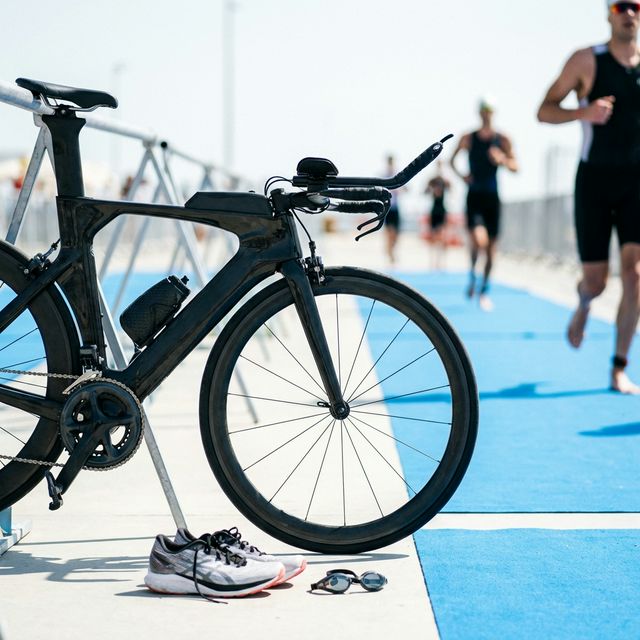
Subtitle: You are not just a cyclist who swims and runs. You are a triathlete. Here is how to manage the load without breaking the machine.
The holy grail of triathlon training is balance. Push the bike too hard and your run suffers. Neglect the swim and you exit the water exhausted. Managing Training Stress Score (TSS) across three disciplines is an art form.
A recent discussion in the Enduroco community by athlete Rohan highlighted the common struggle: “How do I fit high-quality bike intervals into a schedule already packed with pool sessions and long runs?”
The TSS trap
Cyclists often chase high TSS numbers as a badge of honor. For triathletes, cycling TSS is only one slice of the pie.
- The mistake: following a high-volume cycling plan while swimming 3x per week and running 40km.
- The reality: your body does not care where stress comes from. If total load is too high, adaptation stalls.
The strategy: quality over volume
For time-crunched triathletes, junk miles are the enemy.
- Prioritize intensity on the bike: use bike sessions for high-value aerobic and threshold work with lower impact.
- Run for resilience: keep most runs easy to build durability without excessive tissue stress.
- Swim for technique and aerobic support: pool work can maintain conditioning while reducing leg impact.
Integrating AI
Tools like Enduroco AI are especially useful in mixed-sport schedules.
If you log swims and runs accurately, cycling workouts can be adjusted around true fatigue.
- Example: a hard morning track session may trigger a lighter evening bike recommendation instead of forcing VO2 work.
Conclusion
You cannot be a hero in all three sports every day. Triathlon success comes from consistent, moderate loading across the board, not one-discipline heroics that sabotage the rest.