
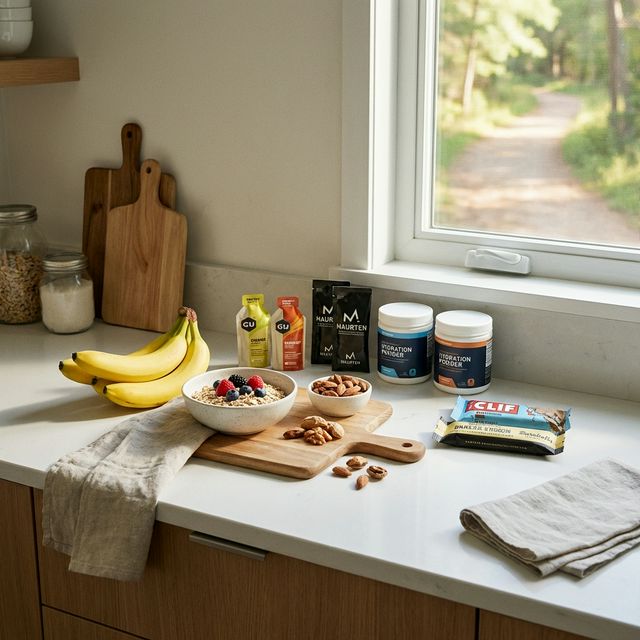
Elite endurance performance is not built solely on the track or the bike; it is constructed in the kitchen. Training simply provides the physiological stimulus. Nutrition provides the actual tools for adaptation. The absolute reality is that a flawless training block will result in profound underperformance if it is not supported by a hyper-dialed nutrition plan.
What should you eat? When should you eat it? Here is the definitive Enduroco guide to fueling your endurance engine.
The Big Three: Macronutrient Logistics
If you are routinely logging massive miles on foot or on the bike, you are incinerating calories. Your body demands very specific macronutrients to sustain energy output and rapidly rebuild torn muscle tissue.
1. Carbohydrates: High-Octane Fuel
Carbohydrates are the undisputed king of endurance performance, yielding roughly 4 calories per gram. They are stored as glycogen in your muscles and liver. During high-intensity threshold efforts, your body heavily relies on glycolysis—rapidly burning these carbohydrates for immediate, explosive energy.
However, your internal storage tank is brutally small. You only have enough muscular glycogen to survive roughly 60 to 90 minutes of intense effort. Once that tank runs dry, you violently “bonk.”
To expand this capacity, elite athletes utilize “carbo-loading.” By pushing their dietary intake to 70-80% carbohydrates in the days prior to a massive race, they supersaturate their glycogen stores, delaying exhaustion.
2. Fats: The Diesel Engine
Fats provide a massive 9 calories per gram. While carbohydrates are burned rapidly, fat oxidation is a slow, methodical process that strictly requires oxygen (aerobic metabolism).
During long, slow endurance (Zone 2) training, your body taps into its nearly limitless fat reserves. Even the leanest athlete has enough stored body fat to fuel a dozen consecutive marathons—provided they run slowly enough. Consistent aerobic training literally trains your mitochondria to become hyper-efficient fat-burning machines, saving your precious glycogen for the final race sprint.
3. Proteins: Structural Integrity
Proteins are rarely burned for fuel. Instead, they are the vital building blocks responsible for repairing the microscopic muscular damage incurred during training. Without a high intake of complete proteins, your body cannot rebuild itself stronger. You will remain perpetually fatigued and structurally weak.
Ideal Macronutrient Ratios
While individual needs vary drastically, a foundational baseline for a high-volume endurance athlete is:
- 60% Carbohydrates
- 25% Healthy Fats
- 15% High-Quality Proteins
Timing the Refuel: When to Eat
Just consuming the right nutrients is not enough; you must strategically time their delivery to maximize absorption.
Before the Session: Priming the System
Your final major meal should occur roughly 2.5 to 3 hours before a brutal training block. This meal should be massive in complex carbohydrates, moderate in protein, and extremely low in fat (as fat aggressively slows digestion and will sit heavily in your stomach).
- Morning Sessions: A massive bowl of oats with fruit, or a heavy stack of whole-grain toast.
- Afternoon Sessions: Lean turkey or chicken with a mountain of quinoa or whole-grain pasta.
If you are starving an hour before the session, consume a small, hyper-digestible carbohydrate source—a banana or a handful of dates.
During the Session: Stopping the Bleed
If you are training for over 90 minutes, you must aggressively consume simple carbohydrates mid-session. Aim for 30 to 60 grams of easily digestible carbohydrates per hour via liquid gels, chews, or sports drinks. You must also replace the fluids and critical electrolytes (sodium, magnesium) you are losing via sweat.
After the Session: The Anabolic Window
Once you stop the watch, the recovery clock starts immediately. You have a prime window to aggressively replenish heavily depleted glycogen stores and start muscle protein synthesis.
Within 45 to 60 minutes of finishing, you need a substantial dose of both carbohydrates and protein. A massive protein shake with two bananas, or a massive serving of chicken, rice, and roasted vegetables.
Furthermore, you must aggressively rehydrate. You should consume roughly 1.5 liters of fluid for every kilogram of body weight completely flushed out during the session.
The Enduroco Standard
Your physical progression is entirely capped by the quality of your fuel. Treat your nutrition with the exact same ruthless precision you apply to your interval sessions. Build your foundation on high-quality, whole foods, time your carbohydrate intake logically, and watch your performance absolutely skyrocket.
By Rahul Gupta