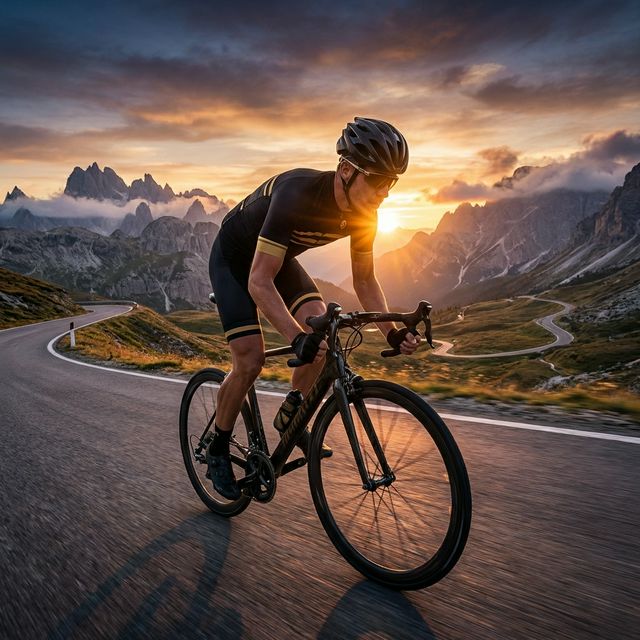
Many athletes revere road cycling as the ultimate pure endurance sport. However, incredible sprint performances are equally possible on a bike. In 2018, American cyclist Denise Mueller-Korenek set a staggering world record for the fastest average speed ever recorded on a bicycle. With the assistance of a dragster creating a slipstream, she uncoupled and used pure leg power to reach an average speed of 296 km/h. That’s faster than an express train and faster than many propeller-driven aircraft!
Even if you aren’t planning to break the sound barrier, road bike training offers a thrilling, high-speed, and challenging physical outlet.
But what’s the best way for a newcomer to jump into cycling? What gear matters most, and how should you structure a cycling training plan from scratch? We outline everything you need to know in this comprehensive guide to road cycling for beginners.
Choosing the Right Bicycle
To genuinely enjoy your time in the saddle, riding a bike that fits your body geometry is non-negotiable. A bike should never be too stretched out or too cramped. It’s equally important for safety that you can swiftly plant your feet on the ground in case of an emergency stop.
Before heading to your local bike shop, consider exactly what type of riding you intend to do. If your goal is cardiovascular fitness and high-speed endurance training, a heavy city commuter bike will hold you back.
If you plan on exploring a mix of tarmac, gravel, and light trails, a gravel or trekking bike with wider tire clearances is ideal. For pure off-road trails, a mountain bike is the only sensible option.
However, if your primary goal is to be fast, aerodynamic, and cover massive distances on paved roads, a dedicated road bike is your weapon of choice. Road bikes are characterized by their incredibly lightweight frames, narrow high-pressure tires, and characteristic drop handlebars. This design forces the rider into a low, aggressive stance that drastically reduces aerodynamic drag.
Essential Gear for New Cyclists
Once you have your road bike, the next priority is gear that ensures safety and comfort. To prevent saddle sores, investing in a high-quality saddle that matches your sit-bone width is essential, paired with heavily padded bib shorts.
A form-fitting, breathable jersey will keep you cool, and specialized cycling sunglasses are a must. They protect your eyes not just from UV rays, but from high-speed insects, debris, and excessive wind drying out your corneas.
By far the most critical piece of equipment is your helmet. On a road bike, you will frequently surpass speeds of 40-50 km/h on descents. A helmet must be properly fitted to protect your skull from impact. Look for modern safety standards like MIPS, and ensure the helmet has sufficient ventilation channels to prevent overheating on long summer climbs.
Getting Started: The First Miles
With your gear acquired, you’re ready to hit the tarmac. But there are a few golden rules. The biggest mistake beginners make is attempting too much, too soon. Increasing your mileage too rapidly drastically spikes your risk of overuse injuries, severe saddle soreness, and chronic overtraining.
Take your time getting acquainted with your new machine. Road bikes handle very differently than commuter bikes. The brakes are sensitive, the steering is highly responsive, and the narrow tires require a delicate touch when leaning into sharp corners or braking abruptly.
Getting a professional bike fit immediately is highly recommended. Small adjustments to saddle height and stem length can alleviate lower back pain and dramatically optimize your power transfer to the pedals. Buying a heart rate monitor is also highly advised; it allows you to quantify exactly what “easy” and “hard” efforts actually feel like.
Nutrition on the bike is an entirely different beast than running. When cycling, you are burning massive amounts of calories. You should aim to take a sip of water or electrolyte mix every 10 to 15 minutes. For rides exceeding 60 minutes, you must fuel with carbohydrates. Bananas, specialized energy gels, or carbohydrate drink mixes ensure your glycogen stores aren’t depleted, preventing the dreaded “bonk.”
Building Your Road Cycling Training Plan
Your primary objective in the first few months is to build a massive aerobic base. Base training enhances your body’s ability to metabolize fat for fuel and increases capillary density in your legs.
In the initial phase, your rides should be long, steady, and entirely aerobic. Only after establishing this foundation should you introduce high-intensity interval training (HIIT).
Start with 2 to 3 sessions per week. Depending on your athletic background, these rides can range from 45 minutes to 2 hours.
Crucially, you must stay in your basic endurance zone (Zone 1/Zone 2). This means your breathing should remain relaxed enough that you could comfortably hold a conversation with a riding partner. In terms of heart rate, you should hover between 60% and 75% of your maximum heart rate.
Recovery is just as paramount. Your body actually builds strength and endurance during the hours you sleep and rest, not while you are pedaling. Increase your weekly training volume by no more than 10% each week to allow your tendons and joints time to adapt to the new repetitive motion.
Sample Beginner Progression (First 8 Weeks)
Note: The Enduroco app generates dynamically adjusting, highly individualized plans based on your specific biometrics and daily fatigue levels.
- Week 1: 2 x 40 minutes easy endurance
- Week 2: 2 x 45 minutes easy endurance
- Week 3: 2 x 50 minutes easy endurance
- Week 4: Recovery week: 2 x 40 minutes easy endurance
- Week 5: 2 x 55 minutes easy endurance
- Week 6: 2 x 60 minutes easy endurance
- Week 7: 2 x 70 minutes easy endurance
- Week 8: Recovery week: 2 x 50 minutes easy endurance
Advancing to the Next Level
Once you can comfortably ride for three hours in your aerobic zone, you’re ready to manipulate other variables: cadence, elevation, and intensity.
Interval training is the most effective way to trigger rapid cardiovascular gains. For example, try incorporating 30-second all-out sprints followed by 30 seconds of easy spinning. Alternatively, attack local hills using the “20/40 method”: 20 seconds of out-of-the-saddle maximum effort, followed by 40 seconds of recovery pacing.
Improving your technical skills is also paramount. Riding in local group rides or clubs is the best way to learn pack dynamics. You’ll learn how to draft efficiently (saving up to 30% of your energy), how to follow smooth lines through descending corners, and how to ride safely in close proximity to others.
If you haven’t already, transition to clipless pedals. Being physically attached to the drivetrain allows you to generate power through the entire 360-degree pedal stroke, dramatically improving efficiency on steep climbs.
By constantly introducing new challenges—whether it’s conquering a new mountain pass, mastering group riding, or executing a devastating interval session—you ensure that your cycling journey remains engaging, rewarding, and constantly evolving.